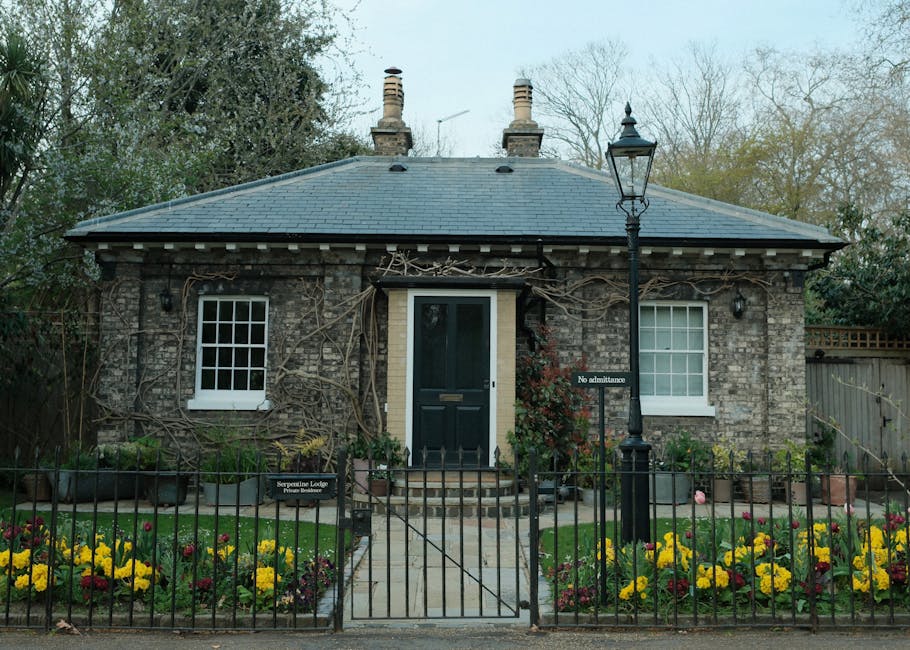
Best gardeners near Forest Gate station for small yards
If you live close to Forest Gate station and your garden is more pocket-sized than sprawling, you already know the challenge. Small yards can be charming, but they can also feel cramped, shaded, awkwardly shaped, or simply hard to keep tidy. The best gardeners near Forest Gate station for small yards understand that a compact space needs a smarter approach, not just a smaller version of a big-garden job. In practice, that means careful pruning, tidy hard-to-soft balance, better plant choices, and maintenance that keeps the whole space feeling fresh rather than crowded.
This guide walks through how to choose the right local gardener, what good small-yard work actually looks like, and how to get better results without wasting time or money. You will also find practical comparison points, a checklist, and a realistic example of what a good service can solve. To be fair, a well-kept small yard can feel bigger than it really is. A bit of know-how goes a long way.
Why Best gardeners near Forest Gate station for small yards Matters
Small yards are often the most demanding outdoor spaces to maintain. Every choice shows. If a hedge is cut too hard, you see it. If a path gets slippery, you feel it. If planting is too dense, the yard can quickly start to look cluttered. That is why choosing the best gardeners near Forest Gate station for small yards matters so much: the right person sees the space as a design puzzle, a maintenance routine, and a practical living area all at once.
Near Forest Gate station, many homes have modest front areas, narrow rear gardens, or courtyards that need disciplined upkeep. These spaces often deal with a mix of urban shade, fencing, boundaries, foot traffic, and limited storage for tools and compost. A gardener who is experienced with compact spaces will usually focus on clean lines, low-fuss planting, and tidy access. They will also know when not to overcomplicate things. Sometimes the best move is the simplest one. Funny how that works.
It also matters for property value and day-to-day enjoyment. A small yard that is neat, well planted, and easy to use can feel like an extra room in warmer months. Even on a grey London morning, a clear path, a clipped edge, and a few healthy plants can make the whole place feel calmer. That is not a luxury. For many people, it is a quality-of-life thing.
If you want to explore the wider range of support available, the services overview is a useful place to start, especially if you are comparing ongoing maintenance with one-off tidying work.
How Best gardeners near Forest Gate station for small yards Works
Good small-yard gardening is usually built around assessment, prioritisation, and consistency. The first visit should not just be about "doing the garden." It should begin with understanding what the space needs most. Is it overgrown? Poorly planted? Lacking structure? Too shaded? Hard to access? The answer changes the plan.
In a compact space, gardeners often work in short, targeted stages:
- Assess the space - measure the working area, identify problem spots, and note sunlight, drainage, and access.
- Clear and tidy - remove waste, prune back overgrowth, and reset the basic structure.
- Refine the layout - define edges, routes, focal points, and usable space.
- Choose suitable planting - select plants that will not overwhelm the area or demand constant intervention.
- Set a maintenance rhythm - regular visits keep things under control before they become a bigger job.
That sounds straightforward, but the detail matters. For example, a tiny yard may look neat after one strong cut-back, yet feel flat and bare if everything is treated the same way. Good gardeners balance shape, height, and texture. They know where a little softness helps and where clean structure is more important. In other words, they are not just trimming. They are editing the space.
If you are comparing local options, it helps to ask whether they handle small gardens regularly, not just large suburban plots. A team that understands compact urban gardens is more likely to plan around narrow access, shared boundaries, and limited storage. You can also check practical policies such as insurance and safety and the company's health and safety policy if you want a clearer sense of how they work on site.
Key Benefits and Practical Advantages
There are a few obvious benefits of hiring a gardener who knows how to handle a small yard. Then there are the less obvious ones, which honestly matter just as much.
- Better use of space - a small yard can feel bigger when plants, paths, and furniture are properly balanced.
- Less ongoing mess - regular maintenance prevents weeds, leaf build-up, and messy edges from taking over.
- Improved light and airflow - careful pruning can stop the space feeling heavy or damp.
- Smarter plant choices - compact, low-maintenance planting is often more successful than trying to force in larger species.
- Safer surfaces and access - clear paths and tidy borders reduce the chance of slips and awkward movement.
- More enjoyment - a yard that is easy to step into and sit in gets used more often. Simple as that.
There is also a practical money angle. A well-planned small yard can be easier to maintain over time than a poorly managed one. If you let it drift, the work tends to stack up: weeds root deeper, hedges bulk out, and little jobs become bigger ones. Regular, focused gardening usually keeps costs and disruption more predictable.
Another overlooked benefit is confidence. Many homeowners and tenants know their small yard needs work, but they do not quite know where to start. A good gardener removes that pressure. They bring structure to the job, and that is often half the battle.
Who This Is For and When It Makes Sense
This kind of service makes sense for a wide range of people. You do not need to have a grand design plan or a "before and after" dream board pinned to the fridge. Sometimes you just need the place to look decent and work properly.
It is a good fit if you are:
- a homeowner with a compact rear garden or front yard
- a landlord wanting to keep a small outdoor area presentable
- a tenant who wants the space tidy but cannot do heavy garden work
- a busy family trying to stop a small yard from becoming cluttered
- someone who likes gardening but needs help with the awkward, physical, or repetitive jobs
- a local business or property manager with a small planted area near a station, shopfront, or entrance
It makes particular sense when the garden has drifted beyond a quick DIY tidy-up. If weeds are established, shrubs are too close together, or the area feels unwelcoming, a professional can reset things faster and with less guesswork. You might think, "I can do this myself at the weekend." Maybe. But weekends have a habit of disappearing, don't they?
It also makes sense if you are trying to prepare a yard for a change in use. For example, you may want to create a tiny seating area, improve curb appeal, or simply make the garden easier to sweep and maintain. A local gardener can help you decide what to keep, what to reduce, and what to replace.
For broader support, including one-off and recurring work, you may find the pricing and quotes page helpful when you are planning the next step.
Step-by-Step Guidance
If you are working with a gardener for a small yard, this is the most sensible way to approach it.
1. Start with the outcome, not the task list
Before anyone picks up a rake, be clear about what you want. Do you want low maintenance? More colour? Better privacy? A neater rental-ready look? A space for a table and two chairs? Small yards work best when the goal is specific.
2. Walk the space together
Good gardeners will often do a practical walk-through. They will notice where the drainage sits, what gets sun in the afternoon, and which corners collect leaves or moss. This is where real experience shows. One little patch of shade can change the planting plan entirely.
3. Agree the priorities
Not everything needs doing at once. In many cases, the first job is a reset: cut back, weed, edge, and clear. After that, the next visit can focus on planting, feeding, or structural improvements. Breaking the work into stages is often the smartest approach.
4. Choose maintenance frequency
Some small yards need fortnightly attention during spring and summer, while others only need monthly care. The right rhythm depends on growth, shade, weather exposure, and how much use the space gets. There is no magic number, just what works for the garden in front of you.
5. Review the results after the first couple of visits
A decent gardener should be happy to adjust the plan once they see how the yard behaves. Maybe one corner dries out too quickly. Maybe a plant choice is stealing too much space. Small gardens reward adjustment. They really do.
When you are ready to talk through your own garden, use the contact page to explain the layout, the main problems, and whether you need a one-off tidy-up or ongoing help.
Expert Tips for Better Results
Here are some practical ideas that make a real difference in small yards near Forest Gate station.
- Keep the edges crisp. Edges are small details, but they change the whole feel of a space. A clean edge can make a yard look cared for even when planting is simple.
- Use layered heights carefully. A mix of low, medium, and slightly taller plants creates depth without crowding.
- Choose plants that suit the light. A shaded yard needs different choices from a suntrap. Forcing the wrong plant in usually ends badly. Nature is rude like that.
- Leave breathing room. In small gardens, empty space is useful. It gives the eye somewhere to rest and makes maintenance easier.
- Prioritise access points. Make sure doors, bins, side passages, and storage routes stay clear.
- Mulch sensibly. A good mulch can help retain moisture and suppress weeds, but too much can look heavy in a tiny space.
- Ask for plant maintenance as well as trimming. A tidy-cut service alone may not be enough if planting is struggling.
One thing experienced gardeners often do well is resisting the urge to overfill. It is tempting to squeeze in one more pot, one more shrub, one more "nice idea." In a small yard, restraint is often the more elegant choice. Less clutter, more calm.
Also, be honest about how much gardening you will actually do yourself between visits. That sounds obvious, but it matters. If you will not deadhead, water, or sweep regularly, plan the garden around that reality. No judgement. Just facts.
Common Mistakes to Avoid
Small yards are easy to overwork. The most common problems are usually not dramatic, but they add up fast.
- Choosing plants that grow too large. A shrub that looks charming in a pot can become a space hog within a season or two.
- Ignoring drainage. Damp corners, puddles, and mossy patches should be dealt with early.
- Overloading the garden with furniture or ornaments. One bench might be enough. Three planters and a table may tip it into clutter.
- Skipping regular maintenance. A compact garden can deteriorate surprisingly quickly if left alone for a few months.
- Assuming every gardener works the same way. They do not. Some are strong on planting, some on hard landscaping support, some on tidy-up and maintenance.
- Not asking about waste removal. In a small space, cuttings and debris can pile up quickly. It helps to know how waste will be managed.
Another mistake? Treating the first visit like a final solution. It usually is not. Small-yard gardening tends to improve in stages. That is not a weakness. It is how good results are built.
Tools, Resources and Recommendations
You do not need a garage full of equipment to keep a small yard in good shape, but the right tools make the work cleaner and faster. A professional gardener will usually bring the basics, though it helps to know what is typically involved.
| Need | Helpful tool or approach | Why it matters in a small yard |
|---|---|---|
| Weeding and clearing | Hand tools, secateurs, litter bags, light rakes | Compact spaces need careful clearing without damaging nearby plants |
| Pruning | Sharp secateurs, loppers, hedge tools | Clean cuts help plants recover properly and keep shapes neat |
| Surface care | Brushes, sweepers, pressure washing where suitable | Paths and patios can make a tiny yard feel fresher immediately |
| Planting | Small spades, compost, mulch, watering cans | Better soil and careful planting improve long-term results |
| Ongoing upkeep | Scheduled visits and seasonal checks | Prevents the space from slipping back into chaos |
Useful support pages can also help when you are choosing a provider. If you care about waste handling and greener practice, have a look at recycling and sustainability. If you want to understand the company and the people behind the service, the about us page is worth a read. These small trust signals matter more than people sometimes realise.
For many homeowners, the best "resource" is simply clarity. Know the space, know the outcome, and know what kind of upkeep you can realistically keep on top of. That alone cuts out a lot of wasted effort.
Law, Compliance, Standards, or Best Practice
For most small-yard gardening jobs, the main compliance concerns are straightforward: safe working, sensible waste handling, fair business practices, and respect for privacy and property. You do not need to become an expert in regulations to hire a gardener, but it is wise to expect professional standards.
At a minimum, a trustworthy gardening service should be able to explain how it handles:
- site safety - safe use of tools, careful movement around steps, paving, and boundaries
- insurance - public liability cover is commonly expected for professional work
- communication - clear scope, clear timings, and no surprises
- payments - transparent billing and secure payment handling
- waste disposal - responsible removal or recycling of garden waste where agreed
It is also sensible to check the company's terms and conditions and payment and security information before booking. For users who need accessible website content, the accessibility statement is another useful sign that the business pays attention to customer experience.
Best practice in small-yard gardening usually means working carefully rather than aggressively. That includes pruning at the right time, not stripping too much growth at once, and respecting plant health. If in doubt, a measured approach is often safer. In gardening, haste can make a tidy problem into a long-term one.
Options, Methods, or Comparison Table
If you are deciding how to handle your yard, it helps to compare the common approaches side by side. The "best" option depends on budget, time, and how much the space needs.
| Option | Best for | Pros | Trade-offs |
|---|---|---|---|
| One-off tidy-up | Overgrown or neglected small yards | Fast reset, immediate visual improvement | Needs follow-up if growth is quick |
| Regular maintenance | Busy households and rental properties | Keeps the garden under control all year | Ongoing commitment |
| Light redesign | Spaces that feel awkward or wasted | Improves layout and usability | May take more planning up front |
| Planting refresh | Gardens that need colour or structure | Boosts appearance without major construction | Plant choices must suit light and space |
| Mixed service | Most small yards | Balances tidying, planting, and maintenance | Needs clear communication about priorities |
In many cases, the mixed service is the sweet spot. A yard near Forest Gate station may not need a complete redesign, just a cleaner structure, better plant balance, and regular attention to stop things drifting. That is often the most sensible and affordable route.
Case Study or Real-World Example
Here is a realistic example. A small rear yard in the Forest Gate area had become awkward to use: the paving was dusty, one shrub had grown far wider than expected, and the planting beds looked patchy. Nothing was badly wrong, but the space felt tired. Every job in there seemed to involve moving three other things out of the way first.
The first visit focused on clearing and shaping. The overgrown shrub was reduced carefully, weeds were removed from edges and cracks, and the path was swept back to a usable finish. Rather than filling every spare corner, the follow-up work added a few compact, low-maintenance plants and kept the layout open. The result was not dramatic in a flashy way. It was better than that. It felt manageable.
That is the real point with small yards. The most successful work often looks calm, not busy. You notice the neat line of the border. You notice the extra light. You notice that it feels easier to step outside with a cup of tea on a Saturday morning, even if it is only for ten minutes. Honestly, that matters.
If you want a team that understands that kind of practical improvement, start by reviewing the company's service range and then ask for a quote shaped around your actual space, not a generic package.
Practical Checklist
Use this checklist before you book a gardener or schedule work for a small yard near Forest Gate station.
- Clarify whether you need a one-off tidy, regular maintenance, or a light redesign
- Take a few photos of the garden from different angles
- Note which areas get the most sun and shade
- List the main problems: weeds, overgrowth, drainage, clutter, poor planting, or all of the above
- Decide what should stay and what can go
- Check whether waste removal is included or needs to be arranged separately
- Ask about insurance and safety procedures
- Ask how often the yard will likely need maintenance
- Confirm payment terms and how quotes are structured
- Think about access: side gates, narrow paths, bins, and storage
- Make sure your goals are practical for the space, not just aspirational
Quick expert summary: the best results usually come from a small-yard gardener who is tidy, realistic, and good at simplifying decisions. If they understand compact spaces, work neatly, and communicate clearly, you are already halfway there.
Conclusion
Finding the best gardeners near Forest Gate station for small yards is not about picking the biggest name or the most dramatic portfolio. It is about finding someone who understands that a compact garden needs discipline, flexibility, and a decent eye for detail. The right gardener will help you make better use of every square metre, avoid common mistakes, and keep the space feeling fresh rather than cramped.
Small yards can be surprisingly rewarding. They are easier to transform than people think, and once they are working well, they tend to become part of daily life in a lovely, ordinary way. A neat path, a well-shaped border, a corner that catches the afternoon light - these little things add up.
Get a free quote today and see how much you can save.
If you are ready to move forward, choose a service that is transparent about pricing, careful about safety, and genuinely experienced with small gardens. That combination is what makes the difference. And once the space starts to feel easier, you will wonder why you waited so long.
Frequently Asked Questions
What makes a gardener suitable for a small yard near Forest Gate station?
A suitable gardener understands how to work in compact spaces without making them feel crowded. They should be comfortable with pruning, layout refinement, tidy edging, and low-maintenance planting choices. Experience with urban gardens is a real plus.
How often should a small yard be maintained?
That depends on growth, shade, and how much the space is used. Some small yards need monthly care, while others benefit from fortnightly visits in spring and summer. The right schedule is the one that keeps the garden under control without unnecessary visits.
Is a one-off tidy-up enough for an overgrown small garden?
Sometimes, yes. A one-off clean-up can make a huge difference if the issue is mainly weeds, debris, or overgrowth. But if the layout is awkward or the planting is unsuitable, follow-up maintenance usually gives better long-term results.
What should I ask for in a quote?
Ask what is included, whether waste removal is covered, how long the work is expected to take, and whether the price is for a one-off visit or recurring maintenance. Clear quotes are easier to compare and reduce surprises later.
Do small yards need different plants from larger gardens?
Often, yes. Smaller spaces usually do better with compact, well-behaved plants that do not quickly outgrow the area. A good gardener will think about mature size, light levels, and how much time you want to spend maintaining them.
Can a gardener help make a small yard look bigger?
Absolutely. Careful pruning, cleaner edges, lighter planting, and better spatial balance can all make a small yard feel more open. Even simple changes can shift the whole impression of the space.
How do I know if a gardener is reliable?
Look for clear communication, transparent pricing, sensible answers to safety questions, and evidence that they understand your type of garden. A reliable gardener will usually ask good questions before quoting. That is a good sign, not a bad one.
Should I choose maintenance or redesign first?
If the yard is overgrown or messy, start with maintenance and a tidy-up first. Once the space is under control, you can decide whether any redesign work is worthwhile. It is often easier to make design decisions after the garden has been reset.
What if my yard has poor drainage or lots of shade?
Then the gardening approach needs to be adapted rather than forced. Shade-tolerant planting, improved soil management, and careful attention to wet areas will matter more than decorative extras. A good gardener should spot this quickly.
Do I need to be home during the work?
Not always, but it depends on access, scope, and your comfort level. Some people prefer to be present for the first visit so they can explain priorities in person. After that, regular work may be easier to arrange with minimal disruption.
Can gardeners remove green waste for small yards?
Many can, but it is best to confirm in advance. Waste handling can affect both the quote and the final clean-up. If you care about responsible disposal, ask how waste is managed and whether recycling practices are part of the service.
Where can I learn more about the company before booking?
You can review the company's about us page, read the insurance and safety information, and check the complaints procedure if you want to understand how issues are handled. Those pages help build trust before you make a decision.