Recycling and Sustainability for Gardeners in Forest Gate
 Gardeners Forest Gate is committed to creating an eco-friendly waste disposal area and a resilient, sustainable rubbish gardening area for the whole neighbourhood. This page outlines our ambitions, local practical steps, and the partnerships that make circular gardening possible in Forest Gate. We balance everyday composting, waste separation and reuse so that gardeners, allotment holders and community green spaces can operate with a lower carbon footprint.
Our core aim is measurable: we have set a recycling percentage target of 70% by 2030 across community gardening waste streams — including green waste, wood, compostable kitchen scraps from communal kitchens and recyclable packaging from plant supplies. This recycling percentage target is designed to push local action beyond basic kerbside recycling and into active reuse, repair and resource-sharing within the Gardeners Forest Gate community.
Local transfer stations and borough collection approach
The borough's approach to waste separation typically organises collections into mixed recycling, food and garden waste, and residual refuse; we work alongside these systems by directing bulky green waste, plant pots and timber to local transfer stations and community recycling hubs. Gardeners Forest Gate liaises with nearby transfer centres and community waste facilities so materials are sorted efficiently and routed to composting, chipping or recycling streams rather than landfill.Creating an eco-friendly waste disposal area in community gardens
A sustainable rubbish gardening area starts with simple design: raised woodchip beds for woody prunings, lockable bins for plastic pots, and covered bays for segregated composting. We recommend set zones for:- Compost and food waste—for on-site aerobic composting and bokashi processing.
- Green waste—for shredding and chipping into mulch.
- Reusables and donations—pots, frames and soil improvers that can be passed to community projects.
These measures reduce disposal costs and help the community reach the recycling and sustainability goals we set for Forest Gate gardeners.
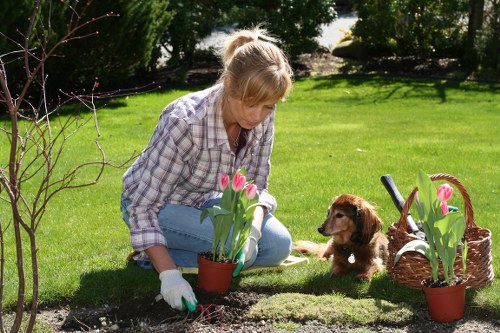 Practical recycling activities in the area include segregated green waste collections, seed and compost swaps, and local reuse drives for plant pots and tools. We highlight simple, locally relevant activities — for example, regular soil-screening events, communal chipping sessions that turn prunings into shared mulch, and coordinated runs to borough transfer stations for items that cannot be processed on site.
To support borough waste separation schemes, Gardeners Forest Gate provides clear signage and volunteer-led sorting sessions so that glass, cans and paper are kept clean and separate from organic waste. Underlining behavioural change with physical infrastructure is key: well-labelled bays, waterproof covers and rot-resistant storage keep recycled materials in good condition for their next use.
We also maintain a simple catalogue of what can be delivered to local transfer stations and what should stay on-site. Common acceptable materials include clean plastic pots, wooden stakes, untreated timber, and garden trimmings. Hazardous materials (treated timbers, certain pesticides) are excluded and directed to appropriate hazardous waste facilities per borough guidance.
Partnerships with charities and reuse organisations
Gardeners Forest Gate partners with local charities and national reuse bodies to give items a second life. We coordinate with community groups such as plant-share networks and charity shops to donate surplus tools, pots and reclaimed timber. Our partnerships include:- Local charities that resell or redistribute usable garden gear.
- Community reuse hubs where larger items are repaired and collected for reuse.
- Food redistribution charities that work with community kitchens and composting initiatives for food waste reduction.
These agreements reduce waste travel distances, increase reuse rates, and amplify the positive impact of our recycling percentage targets across Forest Gate.
Low-carbon transport and sustainable collection
To shrink the carbon footprint of garden waste logistics, we deploy low-carbon vans and sustainable delivery methods: electric vans for regular transfers, hybrid vehicles for heavier loads and cargo e-bikes for short hops within the neighbourhood. Low-carbon vans and e-vehicles help ensure the eco-friendly waste disposal area contributes minimal emissions to local air quality and climate goals.Gardeners Forest Gate also encourages consolidated trips to transfer stations and coordinated pick-ups to avoid multiple small journeys. By scheduling weekly consolidated collections from community hubs and using low-emission vehicles, we reduce mileage and support the borough’s broader decarbonisation plans.
Final note: our vision for a sustainable rubbish gardening area in Forest Gate is practical, measurable and community-led. Through a clear recycling percentage target, strong links to local transfer stations, active partnerships with charities and the use of low-carbon vans, Gardeners Forest Gate aims to make every allotment, community plot and green space part of a circular, low-waste neighbourhood.

